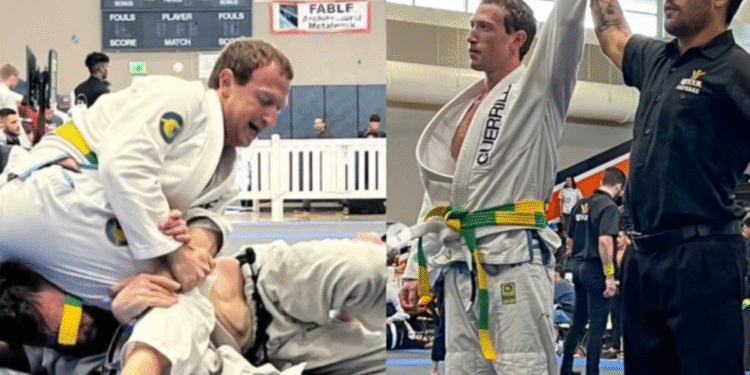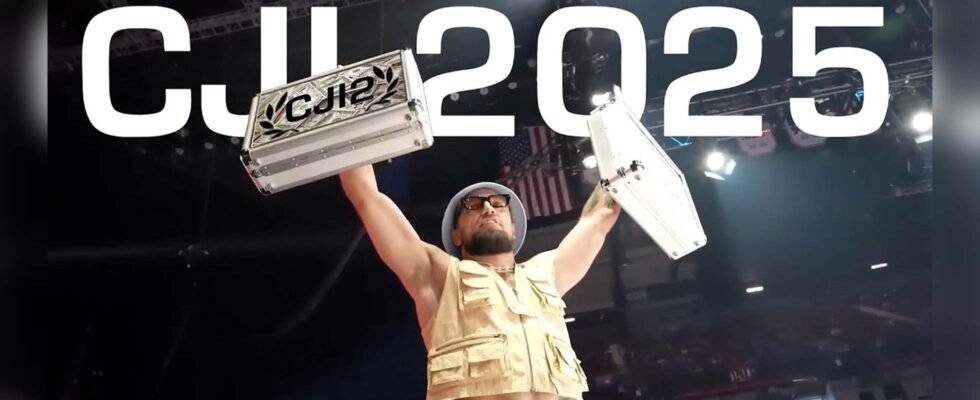
By the time the Craig Jones Invitational 2 reaches the Thomas & Mack Center in Las Vegas, the brackets won’t be the only things people are trading. The run-up turned into a tabloid—withdrawals, late substitutions, “is he serious?” callouts, and a trickle of team reshuffles that sent message boards into overdrive. If CJI’s first edition proved the format, CJI 2 is proving something else: in 2025, elite grappling is part sport, part soap opera—and sometimes that’s good for business.
Start with the headliner whiplash. Olympic gold medalist Gable Steveson withdrew from his much-hyped superfight with Craig Jones in the final week, citing a toe injury. Within hours, Chael Sonnen popped up claiming he’d been tapped to step in for a rematch with Jones, seven years after getting heel-hooked at ADCC. Whether you treated that as theater or real matchmaking, it kept CJI 2 on every combat-sports timeline while promoters scrambled. The event itself? Still locked for August 30–31 at UNLV. MMA Fighting+1UNLVtickets
The team tournament—CJI’s million-dollar heartbeat—didn’t escape turbulence either. New Wave lost +99 kg hammer “Big Dan” Manasoiu late in camp and pulled a curveball: Vagner Rocha joined the roster, triggering role shuffles across weights. Meanwhile Craig, being Craig, stoked speculation with a tongue-in-cheek “maybe I’m switching sides” tease that lit up the comments before dissolving into a prank. Beneath the trolling was a real point: in a team format, even one exit can reshape an entire lane of the bracket. FloGrapplingMMAmania.com




The noise is entertaining; the implications are real. CJI 2 isn’t a one-night supercard—it’s an ecosystem. The eight-team format demands bench depth, coach adaptability, and a clear “who goes where?” identity. Lose a heavyweight and suddenly your -99 kg athlete is a linchpin; add a veteran like Rocha and your middle lanes fight differently—more edge, more savvy in the stall-breaks. Fans get the circus; coaches get a week of contingency planning.
If you zoom out, the drama says something about where pro grappling sits in 2025. It’s big enough to attract Olympic names and cross-platform stars, fast enough to pivot when they bolt, and messy enough to be fun. That mess creates marketing surface area: every replacement rumor is a headline, every roster shuffle a fresh debate. CJI didn’t invent that; it leaned into it—free streams, transparent purses, and a willingness to let personalities be personalities. You can argue about taste; you can’t argue with attention.
Still, there’s a line between noise and narrative. The risk with last-minute chaos is that the story eats the sport. The fix is simple and unglamorous: keep the schedule sacred, make the competitive logic obvious, and let the mats settle the arguments. CJI’s best nights have always belonged to the matches themselves—the ten-second scramble that decides a bank, the tightrope of a last ride-out, the team that solves problem after problem until there are no more left.
If you’re walking into Vegas this weekend, you’ll get both versions of the show. The broadcast will explain why the rosters look a hair different than they did a month ago. The arena will remind you why you cared in the first place: five athletes at a time, five puzzles to solve, and the feeling that an entire bracket can turn on one grip.